Website: Sanwood
Language:
English

Altitude Test Chambers

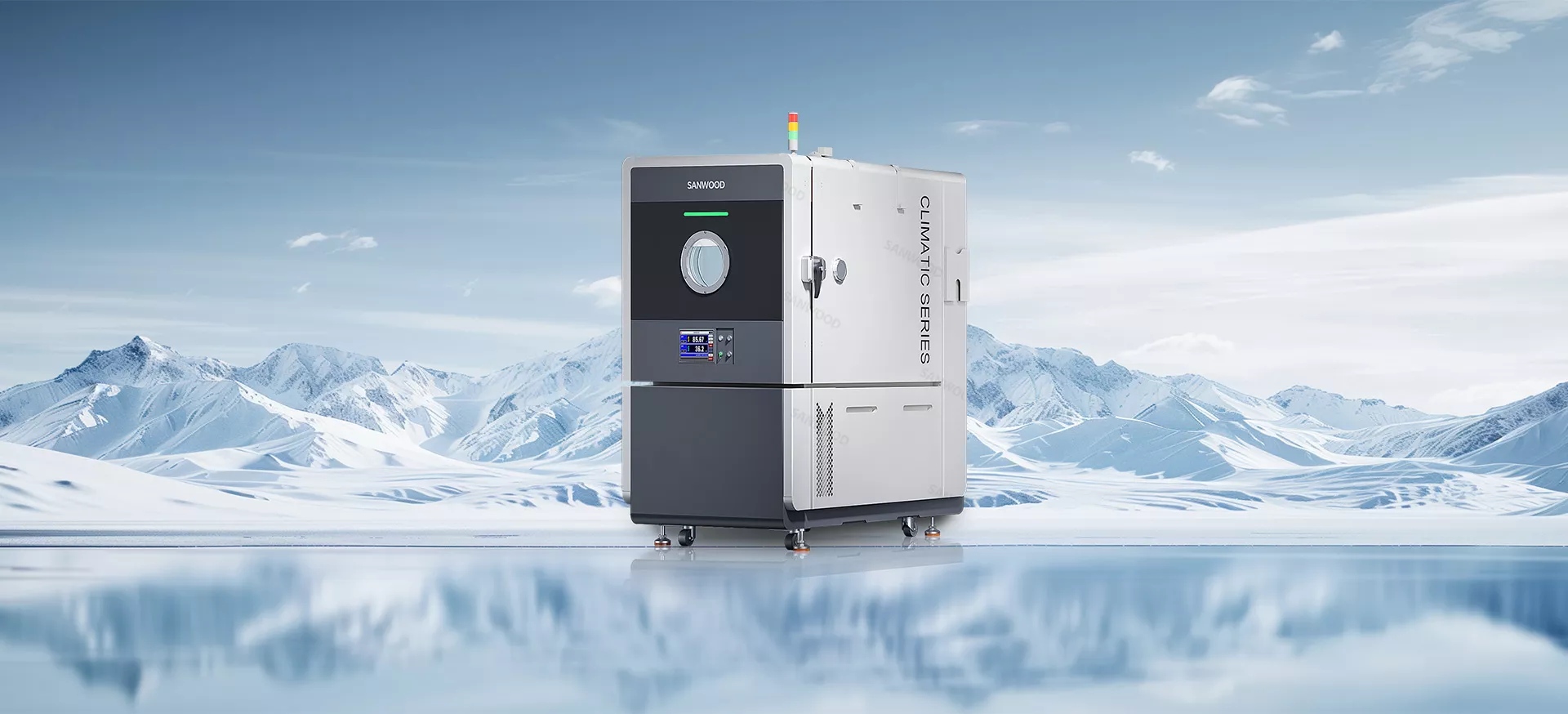
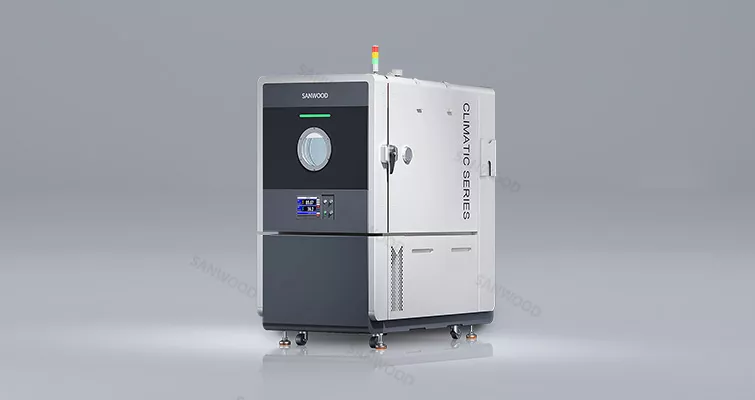
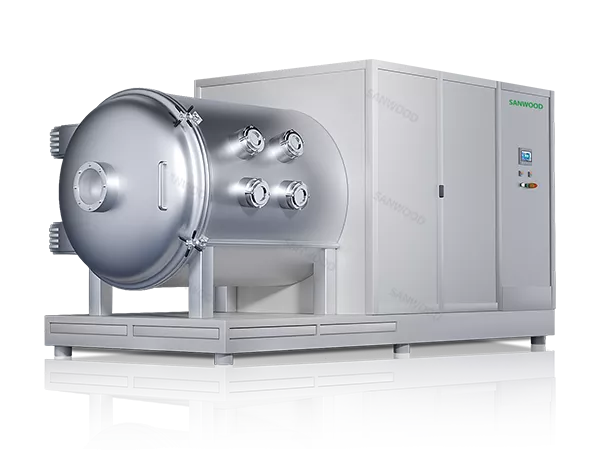
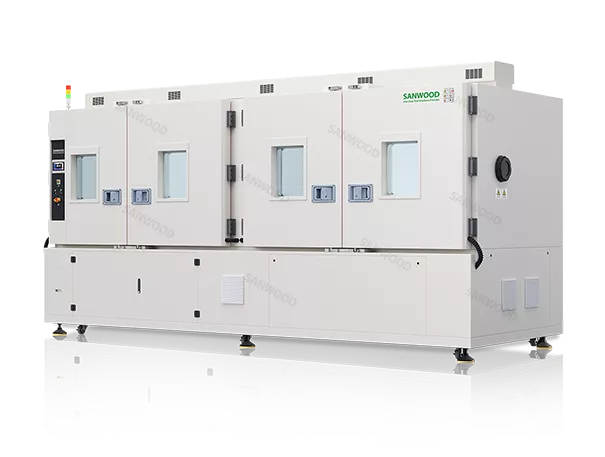
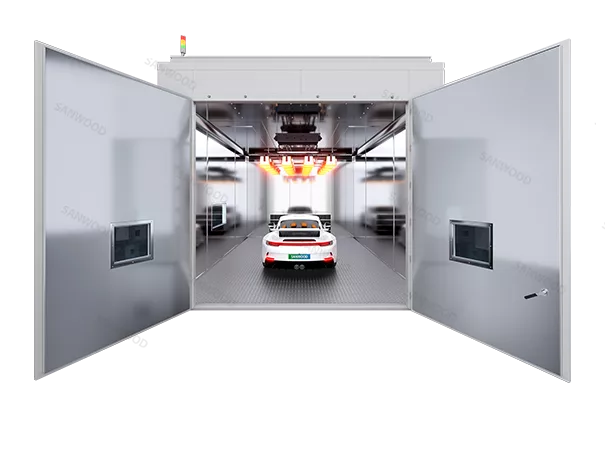
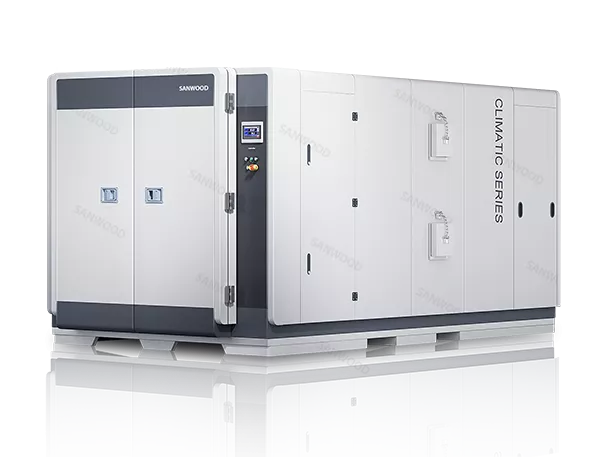
Sanwood Altitude Test Chamber simulates high altitude conditions with precise low pressure and temperature control for aerospace, automotive, and electronics testing. Engineered to meet MIL-STD, DO-160, and IEC standards for altitude performance validation. Custom configurations available with thermal cycling capabilities.

Altitude Test Chambers

Sanwood Altitude Test Chamber: Precision High Altitude Environmental Simulation

Altitude Test Chambers

Advantages Of Sanwood Test Chamber

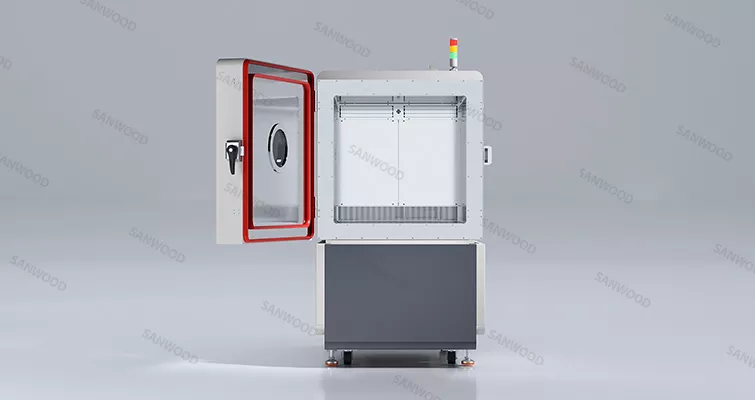
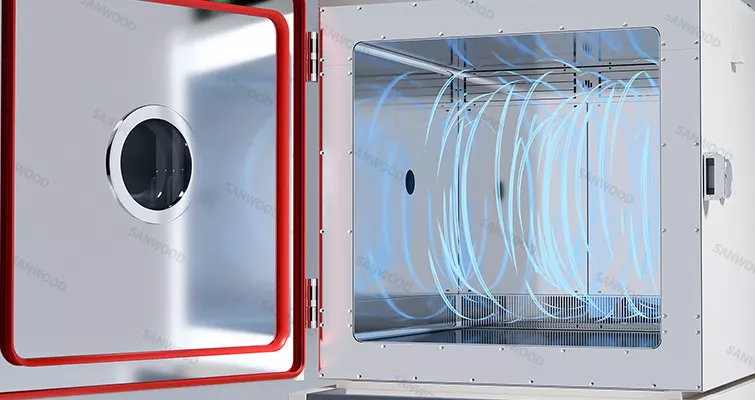
The Sanwood Altitude Test Chamber provides accurate simulation of high altitude conditions through controlled low pressure environments, enabling comprehensive testing of products and materials under reduced atmospheric pressure. Combining pressure control with optional temperature capabilities, this chamber delivers reliable performance validation for applications where altitude affects functionality, safety, or durability.

  • Advanced pressure control system accurately replicates altitude conditions from sea level to 100,000 feet (adjustable based on configuration).
  • Optional temperature range from -70°C to +180°C combined with altitude simulation for comprehensive environmental testing.
  • Multiple pressure relief systems, emergency venting, and reinforced viewing windows ensure operational safety.
  • Real-Time Monitoring – Continuous data logging of pressure, temperature, humidity (optional), and specimen performance parameters.
  • Standard Compliance – Engineered to meet MIL-STD-810, RTCA DO-160, IEC 60068-2-13, and other relevant altitude testing standards.
Altitude Test Chambers

Application Fields Of Altitude Test Chamber

The low-pressure test chamber is equipped with a specialized air pressure control system, which reduces the air pressure inside the test chamber by using a vacuum pump or air pressure regulating device. The low-pressure test chamber plays an irreplaceable role in multiple fields. The common applications of high-altitude environmental test chambers are as follows:

  • Aerospace: To test performance of meters, control systems, etc, under extreme temperature and air pressure conditions.
  • Electronics: To test reliability of electric parts for mobile phones, laptops, and chipset, etc, under extreme temperature and low-pressure conditions.
  • Auto Mobile: To test function and evaluate durability and reliability of engine, brake, tyres, etc, by simulating conditions such as high temperature, low temperature, altitude conditions, etc.


  • Material: To study physical and chemical functions of materials under different temperature and air pressure conditions.
  • Coatings: To test and evaluate coating performance, durability and reliability under different temperature and air pressure conditions.


Altitude Test Chambers

The Test Contents Of Altitude test Chamber

The altitude test chamber is an experimental equipment that simulates high-altitude environments, capable of simulating different pressure and temperature conditions from sea level to tens of thousands of meters above sea level, and evaluating and analyzing the performance of test samples in low-pressure environments. The following are common testing standards for low-pressure test chambers:

  • NF C20-713-2021: Environmental Testing Part 2-13, Test Method M Test: Low Air Pressure.
  • MIL-STD-810: The US military standards involve reliability testing of materials and equipment in low-pressure environments, including multiple testing methods and conditions.
  • ASTM D4169: The American Society for Testing and Materials standards involve low-pressure testing in packaging and transportation environments.
  • IEC 60068: The International Electrotechnical Commission standards cover various environmental tests, including low-pressure and high/low temperature tests.
  • IEC 61215: The testing standards for photovoltaic modules include evaluation of low-pressure environments.
  • NASA-STD-5001: Involving testing requirements for spacecraft and its components under various environmental conditions.

The large high-altitude test chambers are advanced testing equipment that can provide important data support for research in high-altitude environments.

Altitude Test Chambers

Control System Of The Test Chamber

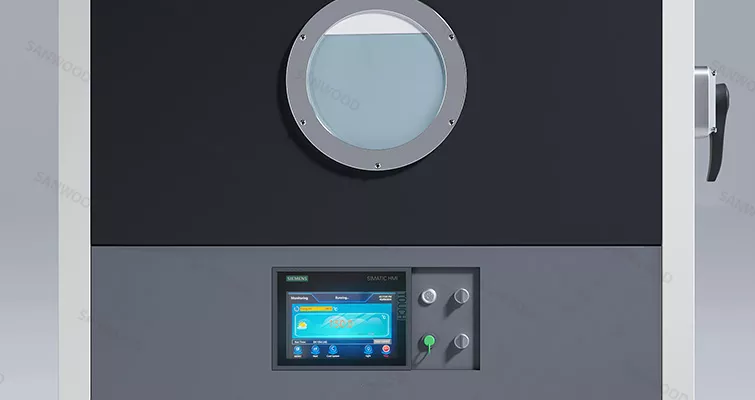
The control system of the Sanwood test chamber adopts the world's leading software and hardware system to ensure that the test chamber operates under preset conditions, provide accurate and reliable experimental data, and help users achieve precise control and data collection of various experimental conditions.

  • Controller: It adopts the controller imported from South Korea Sanwon and the self-developed control system, which can be equipped with Siemens control system and equipped with RS232, RS485 and Ethernet communication ports.
  • Programmable control: It supports setting experimental programs, such as heating, cooling, constant temperature time, etc., and can execute multiple program settings, and supports advance reservation startup function.
  • Multiple languages optional: English, Korean, Russian, Chinese and Japanese.
  • Remote monitoring: Using network remote technology to achieve remote control, the test chamber can be monitored at any time, and the current data can be viewed through the user's PC and mobile phone, which improves the convenience of testing.

The specific control system of the test chamber will vary depending on the model. Please read the "Sanwood Environmental Test Chamber Manual" carefully before use and comply with the safety operating procedures.

Altitude Test Chambers

Refrigeration System Of The Test Chamber

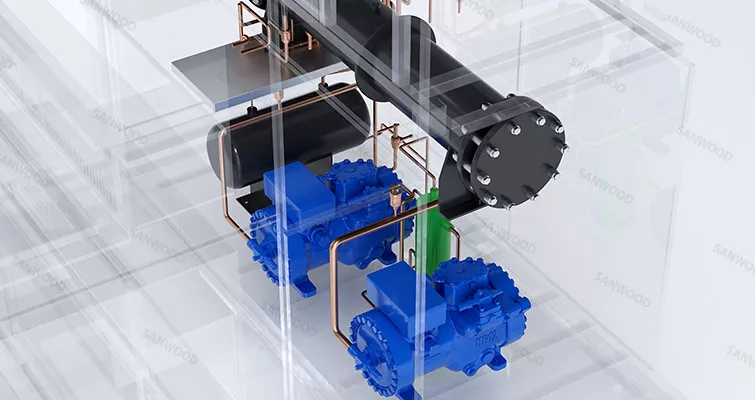
The refrigeration system of the test chamber is a complex and important system. The stability of the refrigeration system is crucial to the accuracy and reliability of the test results.

  • Sanwood Technology has developed a refrigerant hot gas defrosting technology, which effectively melts the frost on the evaporator by injecting high-temperature and high-pressure refrigerant steam into the heat exchanger in the test chamber. This not only ensures that the evaporator does not frost, but also greatly reduces the energy consumption of the equipment.
  • The refrigeration unit adopts an internationally renowned brand.
  • Optimize the layout of the refrigeration system, and adopt VRF (refrigerant flow control) technology based on the PID cold end output principle to achieve low-temperature energy-saving operation, which can reduce energy consumption by 30% under low-temperature conditions.
  • The refrigeration system adopts a modular design, with low failure rate, few welding points, high refrigeration efficiency, good reliability, simple maintenance, and low maintenance cost.


  • Basis Data

  • Performance Data+

Want to know more? Talk to an expert! Leave a message and a specialist will get back to you.

Information on how we processyour personal data.