Website: Sanwood
Language:
English

Double-layer Temperature Humidity Test Chamber

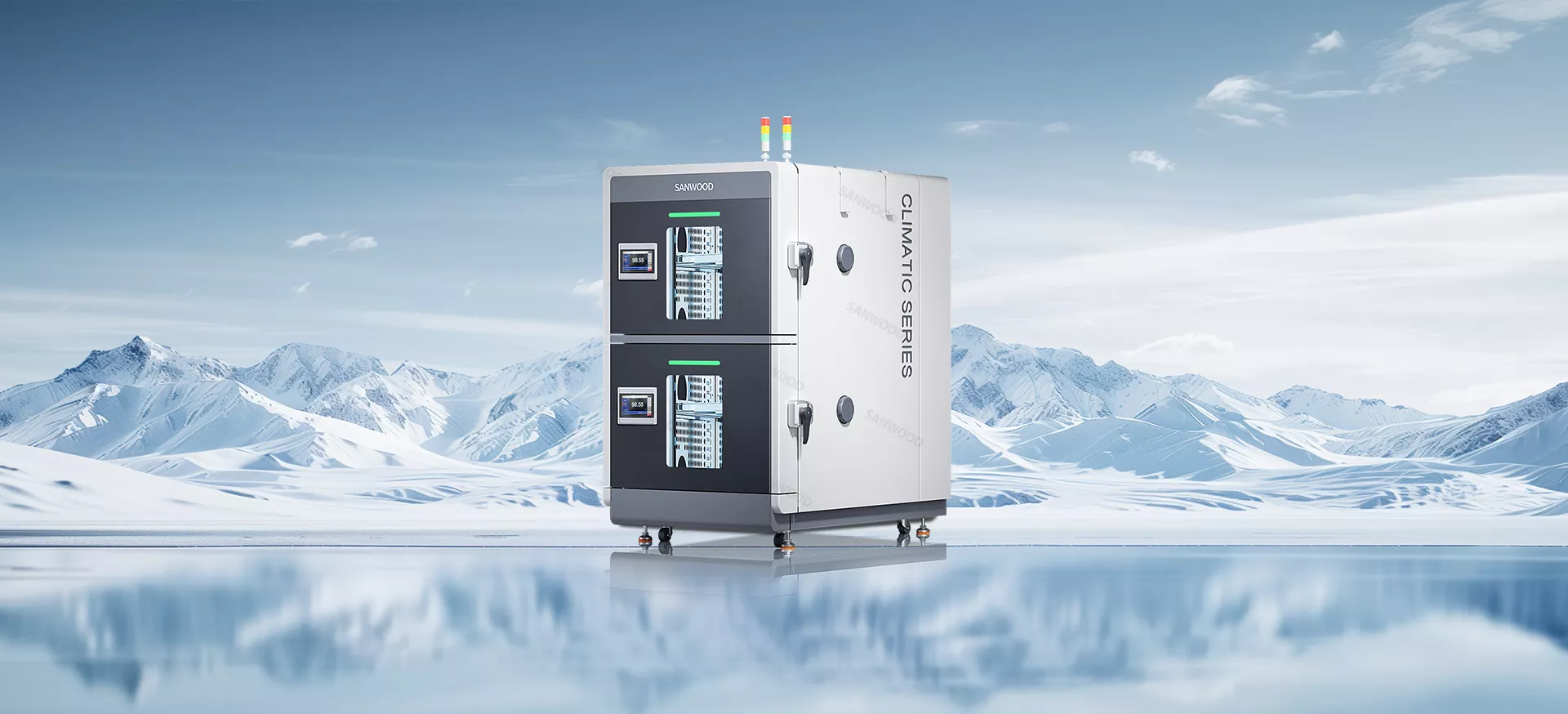
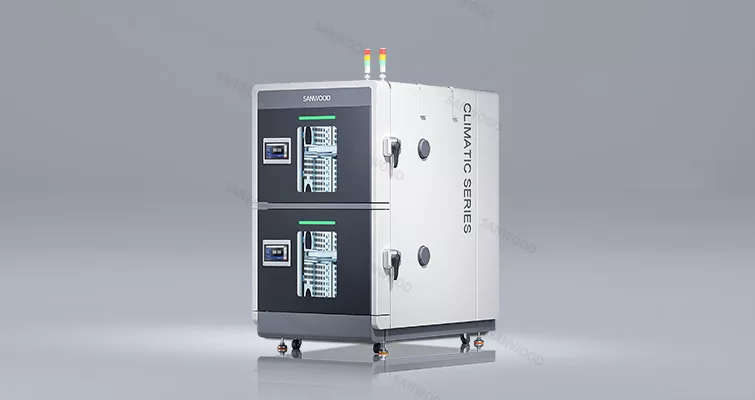
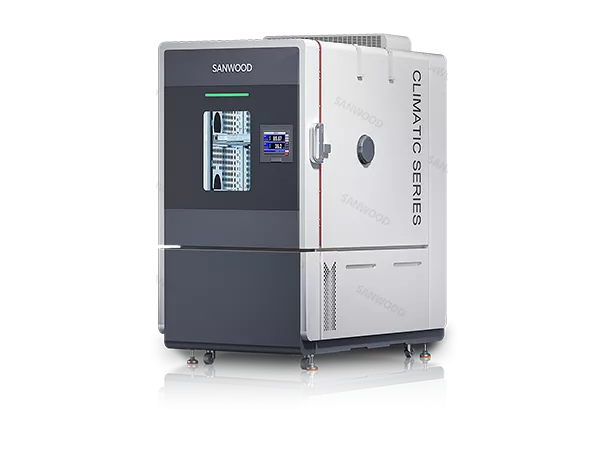
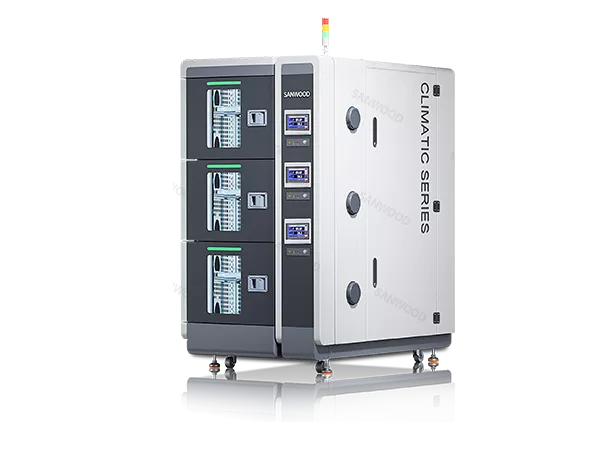
SANWOOD Technology Double-layer Temperature Humidity Test Chamber is a compact climatic test chamber and environmental test chamber with two independent test layers. It allows users to run two temperature and humidity test programs at the same time within one equipment footprint.

Compared with two separate chambers, the double-layer design helps save laboratory space, improve test throughput, and reduce equipment layout complexity. It is suitable for R&D labs, quality inspection centers, electronics manufacturing, automotive component validation, and routine reliability testing.

Two Independent Test Zones in One Compact Chamber

Designed for parallel temperature and humidity testing, this double-layer chamber helps laboratories improve test efficiency while saving valuable floor space.

Double-layer Temperature Humidity Test Chamber

Double-Layer Structure for Parallel Testing

The two-layer design allows different samples or test programs to run simultaneously. Each layer can be used for independent temperature and humidity testing according to the selected configuration.

Key features:

  • Two independent test layers in one chamber.
  • Parallel testing for different samples or programs.
  • Compact footprint compared with two separate chambers.
  • Suitable for small and medium sample testing.
  • Improved laboratory test efficiency.
  • Flexible configuration for R&D and quality control.
Double-layer Temperature Humidity Test Chamber

Temperature and Humidity Test Capability

The chamber is designed to simulate heat, cold, humidity, damp heat, and cyclic climatic conditions for product reliability evaluation. It is suitable for both constant and alternating temperature humidity tests.

Typical test modes:

  • High temperature testing.
  • Low temperature testing.
  • Constant temperature and humidity testing.
  • Damp heat testing.
  • Alternating temperature humidity testing.
  • Temperature cycling for components and materials.
  • Storage and aging tests under controlled conditions.

Temperature range, humidity range, chamber volume, and control accuracy can be configured according to test requirements.

Double-layer Temperature Humidity Test Chamber

Applications for Electronics, Materials and Components

Temperature and humidity stress can affect electrical performance, material strength, sealing reliability, coating durability, and product lifespan. This chamber helps engineers identify these risks through repeatable environmental simulation.

Typical applications:

  • Electronic components and PCB reliability testing.
  • Sensors, connectors, switches, and control modules.
  • Automotive electronics and instruments.
  • Communication and consumer electronics products.
  • Plastics, rubber, metals, coatings, and packaging materials.
  • Laboratory research and comparison testing.
  • Production quality control and incoming material validation.
Double-layer Temperature Humidity Test Chamber

Independent Control, Airflow and Refrigeration Design

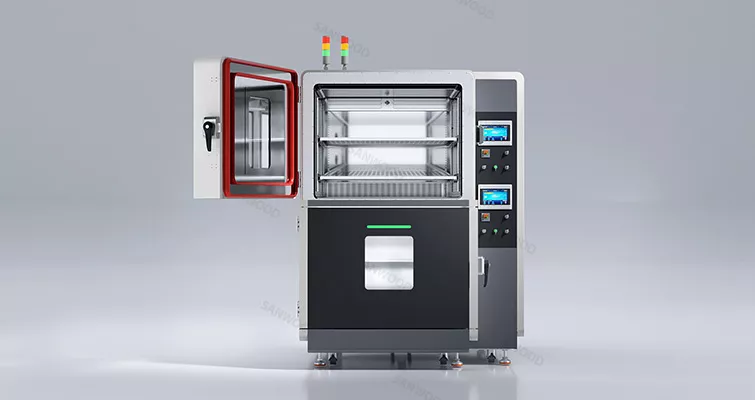
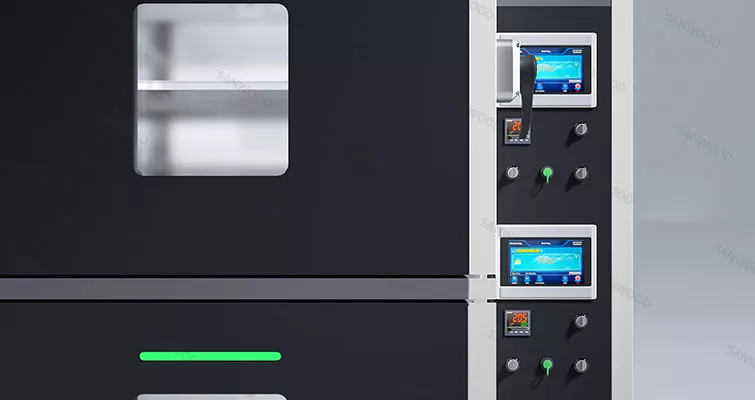
The chamber uses programmable control to support stable test operation and repeatable test profiles. Depending on the configuration, each layer can be controlled independently for efficient parallel testing.

System highlights:

  • Programmable touchscreen controller.
  • Independent or coordinated test program control depending on model.
  • Multi-step temperature and humidity profiles.
  • Optional RS232, RS485, or Ethernet communication.
  • Optional PC monitoring and data recording.
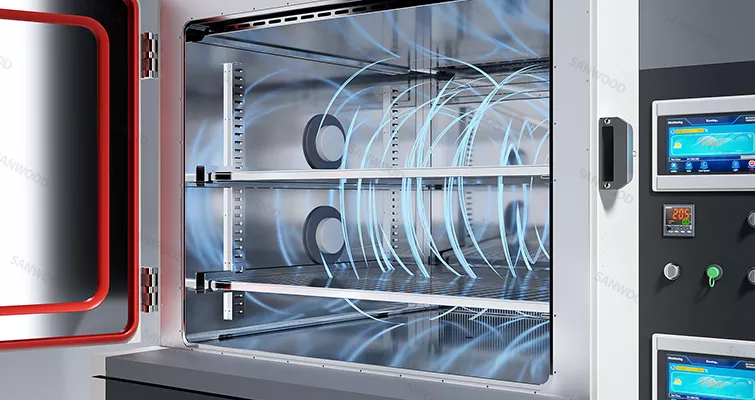
  • Optimized airflow for chamber uniformity.
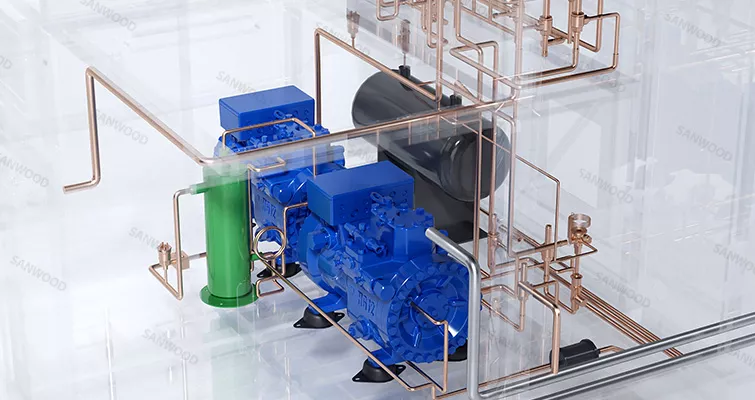
  • Built-in refrigeration system.
  • Modular refrigeration design for easier maintenance.

Final configuration should be selected according to chamber size, temperature range, humidity range, sample heat load, and test program requirements.

Double-layer Temperature Humidity Test Chamber

Standards Support, Customization and Service

The chamber can be configured to support test conditions related to common temperature and humidity testing methods, including IEC 60068-2-1 low temperature, IEC 60068-2-2 dry heat, IEC 60068-2-30 damp heat cyclic, IEC 60068-2-78 steady-state damp heat, ISO 16750 automotive electronics, and MIL-STD-810 environmental testing.

Final compliance depends on the complete test method, sample type, sensor setup, calibration status, operating procedure, and third-party assessment.

Customization options:

  • Chamber volume and inner dimensions for each layer.
  • Temperature and humidity range.
  • Independent control configuration.
  • Communication and data recording.
  • Viewing window and cable port.
  • Support frame or installation layout.
  • Power supply by destination country.

SANWOOD Technology can provide model selection support, customization guidance, installation assistance, maintenance, repair, and technical service according to project requirements.

  • Basis Data

  • FAQ+

Want to know more? Talk to an expert! Leave a message and a specialist will get back to you.

Information on how we processyour personal data.