Website: Sanwood
Language:
English

Thermal Shock Test Chamber

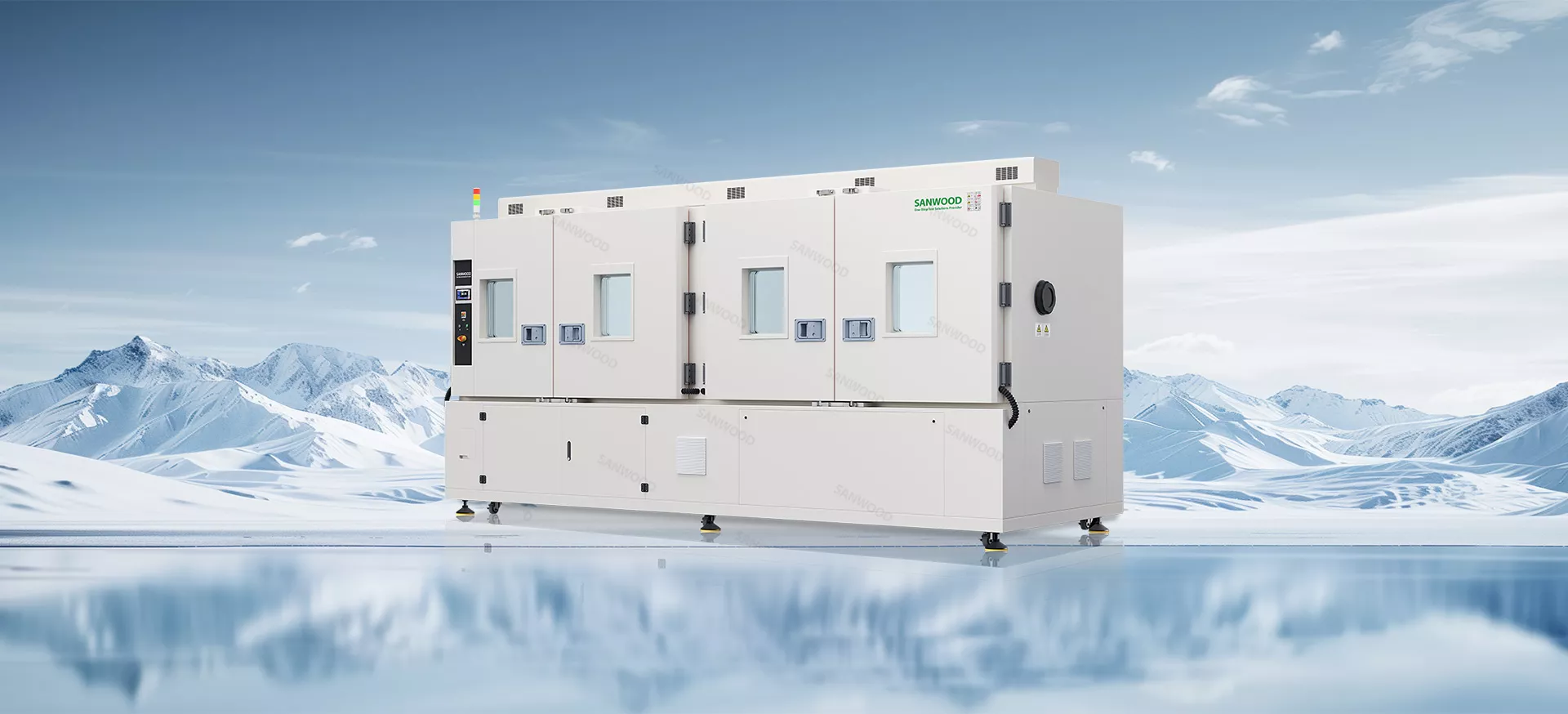
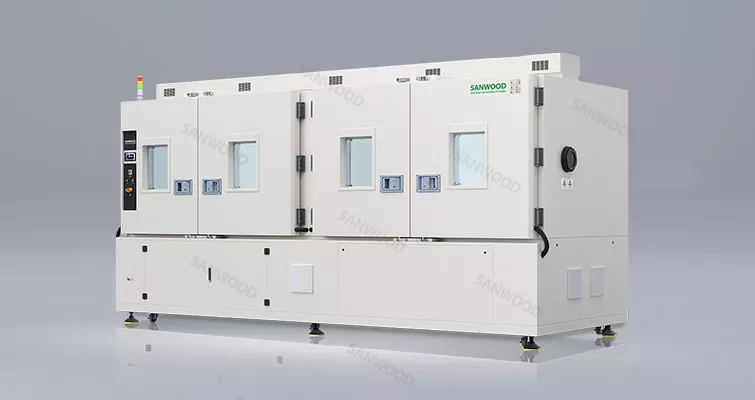
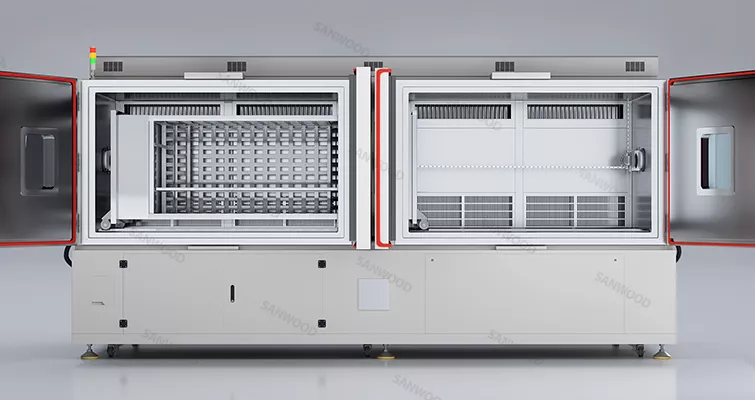
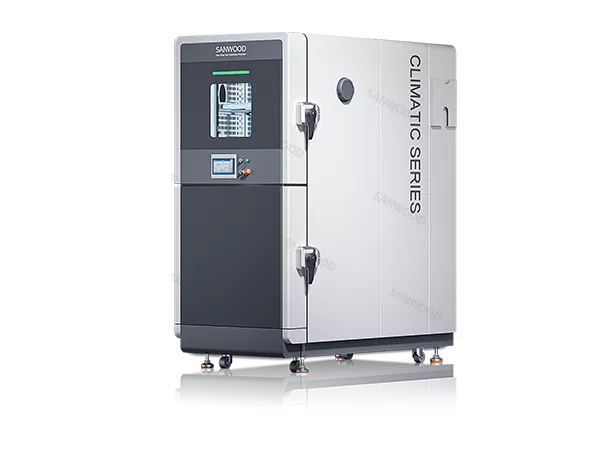
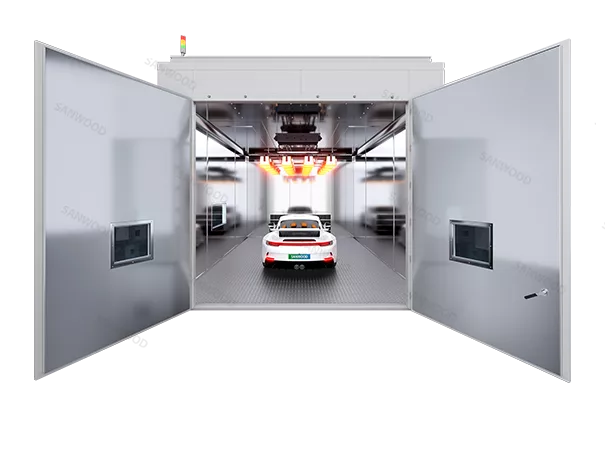
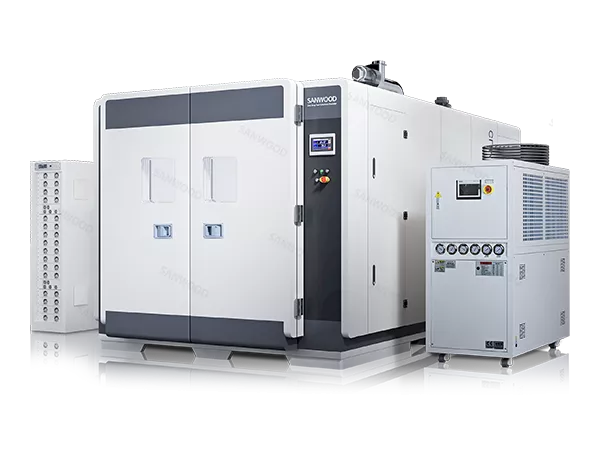
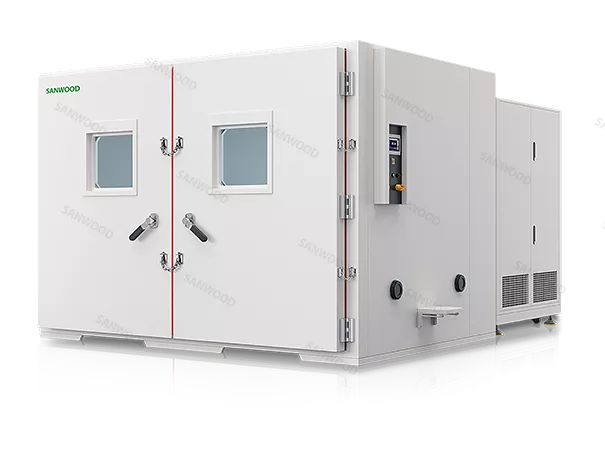
Sanwood Thermal Shock Test Chamber features a unique side-to-side basket transfer system for testing heavy, fragile, or large-sized specimens. With independent hot and cold zones and horizontal lateral movement mechanism, this chamber minimizes vibration and provides smooth transfers for precision reliability testing. Ideal for automotive, aerospace, and power electronics applications.

Horizontal Two-zone Thermal Shock Test Chamber

Sanwood Horizontal Two-Zone Thermal Shock Test Chamber features a unique side-to-side basket transfer system for testing heavy, fragile, or large-sized specimens. With independent hot and cold zones and horizontal lateral movement mechanism, this chamber minimizes vibration and provides smooth trans

Thermal Shock Test Chamber

Advantages Of Sanwood Test Chamber

Sanwood Thermal Shock Test Chamber represents an innovative approach to thermal shock testing, featuring a horizontal side-to-side basket transfer system between independently controlled hot and cold zones. This lateral transfer design minimizes vibration during specimen movement and provides exceptional stability for testing heavy, delicate, or oversized components.

  • Smooth side-to-side basket movement minimizes mechanical vibration, protecting sensitive test specimens during transfers between zones.
  • Reinforced transfer mechanism and basket design support testing of larger, heavier components not suitable for vertical transfer systems.
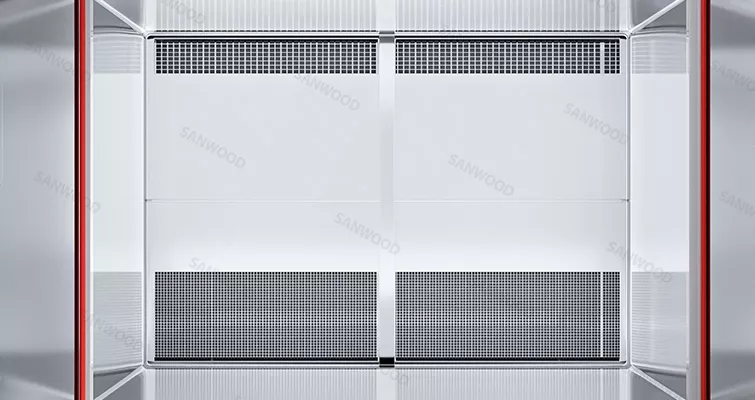
  • Excellent temperature uniformity: The average airflow within the testing area generates an outstanding temperature distribution.
  • Ergonomic front-facing design facilitates easier loading, monitoring, and maintenance operations.
  • Customizable basket sizes, transfer speeds, and dwell time programming to meet specific testing requirements.
Thermal Shock Test Chamber

Application Fields Of Thermal Shock Test Chamber

The thermal shock test chamber is an important equipment for material and product performance and durability testing in many industries. It is widely used in many industries, mainly including:

  • Electronic and electrical industry: testing the reliability of electronic components, PCB circuit boards, etc. under hot and cold shock environments.
  • Aerospace: testing the impact of rapid changes between different temperatures on aerospace equipment.
  • Automotive industry: used to test the performance of automotive parts under extreme temperature conditions.
  • Materials Science: Testing the physical and chemical properties of various materials (such as plastics, metals, etc.) under thermal and cooling cycles.

There are many other applications for the horizontal two-zone thermal shock test chamber, which can ensure that the product can still work normally under different environmental conditions.

Thermal Shock Test Chamber

The Test Standards Of Thermal Shock test Chamber

Sanwood's thermal shock test chamber addresses critical testing challenges where vertical transfer systems may compromise specimen integrity or test accuracy. By implementing a smooth lateral transfer mechanism, we provide a superior solution for testing applications requiring minimal vibration, heavy load capacity, and gentle handling throughout rigorous thermal cycling protocols.

  • MIL-STD-810: US military standard involving performance testing of equipment in extreme environments.
  • IEC 60068-2-14: International Electrotechnical Commission (IEC) standard, mainly involving testing of electrical and electronic equipment under environmental conditions.
  • MIL-STD-202: This is a series of test standards for electronic components, applicable to reliability testing of various electronic components.
  • ISO 16750: International Organization for Standardization (ISO) standard involving testing of automotive electronic equipment under various environmental conditions (including temperature changes).
  • JIS C 0020: Japanese Industrial Standard covering environmental testing of electrical and electronic equipment, including requirements for testing under temperature changes.

The test results of the horizontal two-zone thermal shock test chamber can reflect the performance under actual use conditions, providing strong guarantee for the reliability and quality of the product.

Thermal Shock Test Chamber

Control System Of The Test Chamber

The control system of the Sanwood test chamber adopts the world's leading software and hardware system to ensure that the test chamber operates under preset conditions, provide accurate and reliable experimental data, and help users achieve precise control and data collection of various experimental conditions.

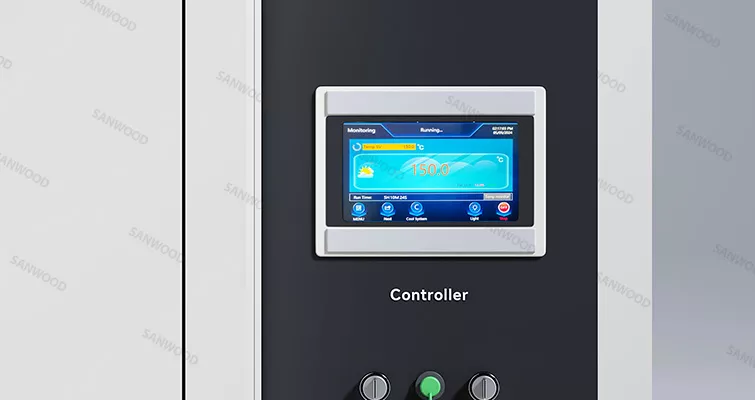
  • Controller: It adopts the controller imported from South Korea Sanwon and the self-developed control system, which can be equipped with Siemens control system and equipped with RS232, RS485 and Ethernet communication ports.
  • Programmable control: It supports setting experimental programs, such as heating, cooling, constant temperature time, etc., and can execute multiple program settings, and supports advance reservation startup function.
  • Multiple languages optional: English, Korean, Russian, Chinese and Japanese.
  • Remote monitoring: Using network remote technology to achieve remote control, the test chamber can be monitored at any time, and the current data can be viewed through the user's PC and mobile phone, which improves the convenience of testing.

The specific control system of the test chamber will vary depending on the model. Please read the "Sanwood Environmental Test Chamber Manual" carefully before use and comply with the safety operating procedures.

Thermal Shock Test Chamber

Refrigeration System Of The Test Chamber

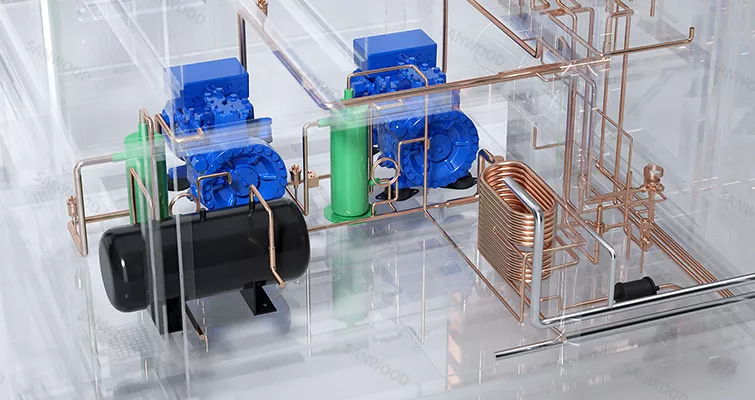
The refrigeration system of the test chamber is a complex and important system. The stability of the refrigeration system is crucial to the accuracy and reliability of the test results.

  • Sanwood Technology has developed a refrigerant hot gas defrosting technology, which effectively melts the frost on the evaporator by injecting high-temperature and high-pressure refrigerant steam into the heat exchanger in the test chamber. This not only ensures that the evaporator does not frost, but also greatly reduces the energy consumption of the equipment.
  • The refrigeration unit adopts an internationally renowned brand.
  • Optimize the layout of the refrigeration system, and adopt VRF (refrigerant flow control) technology based on the PID cold end output principle to achieve low-temperature energy-saving operation, which can reduce energy consumption by 30% under low-temperature conditions.
  • The refrigeration system adopts a modular design, with low failure rate, few welding points, high refrigeration efficiency, good reliability, simple maintenance, and low maintenance cost.


  • Basis Data

  • Performance Data+

Want to know more? Talk to an expert! Leave a message and a specialist will get back to you.

Information on how we processyour personal data.