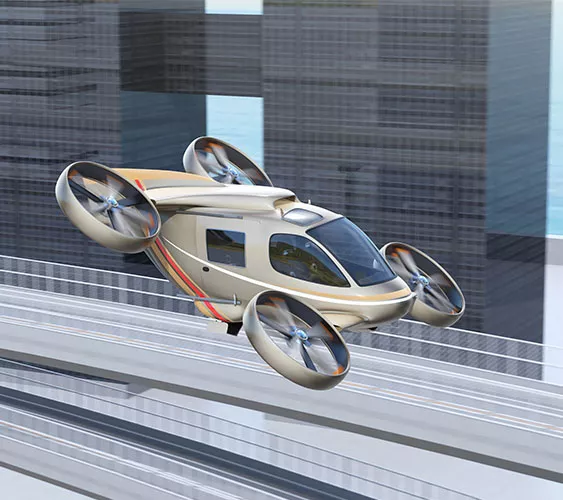
eVTOL products often reference both aerospace and electric vehicle reliability methods. The final test plan depends on aircraft architecture, component type, certification path and customer requirements.Commonly referenced standards and procedures include:
For battery-related safety work, chamber configuration can also be reviewed against EUCAR Hazard Level 0-7 related scenarios. Sanwood can provide technical documentation, chamber specifications and project files to support R&D validation, quality control and third-party laboratory testing.
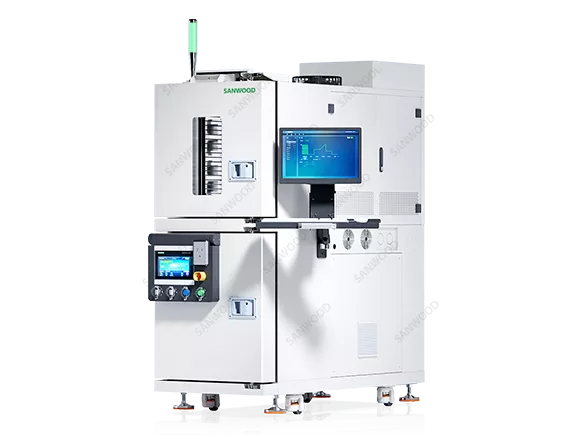
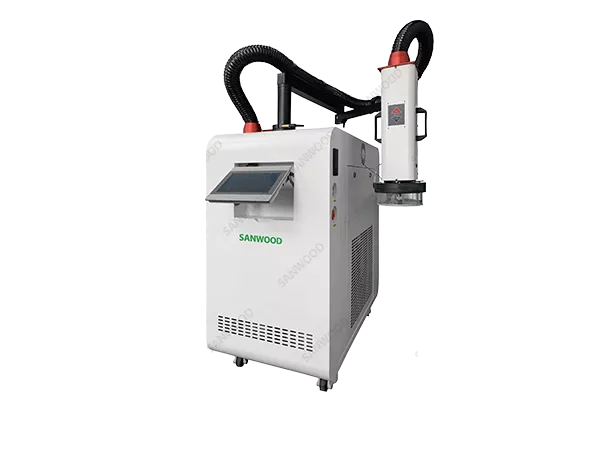
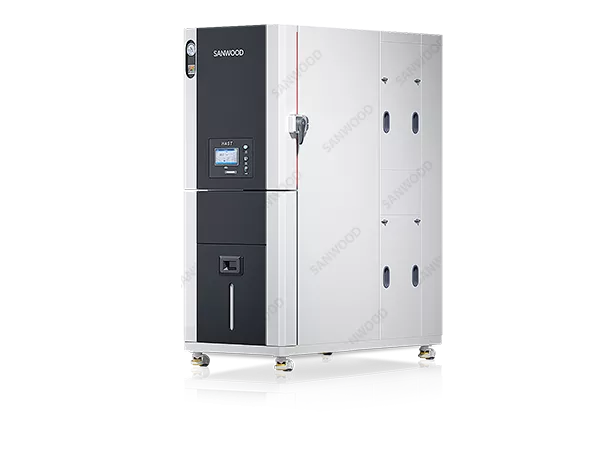
eVTOL testing is not only battery testing, and it is not only aerospace testing. It sits between both. A reliable test plan may need to check how electrical systems, mechanical parts and lightweight materials behave under changing environmental loads.Sanwood chambers can support testing for:
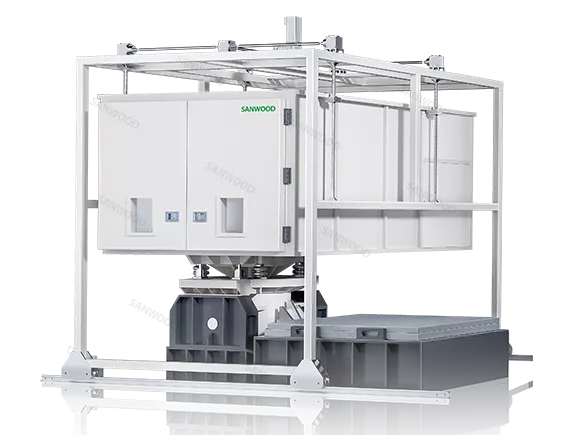
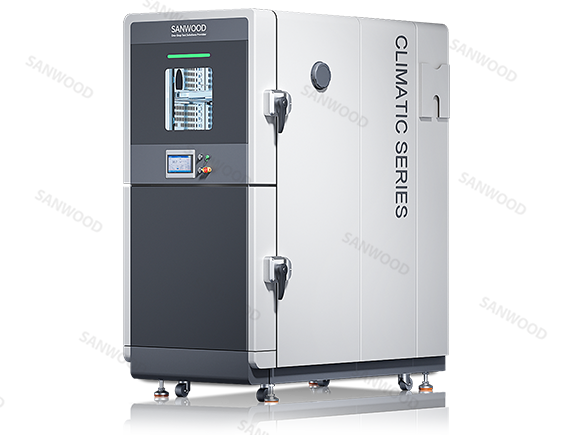
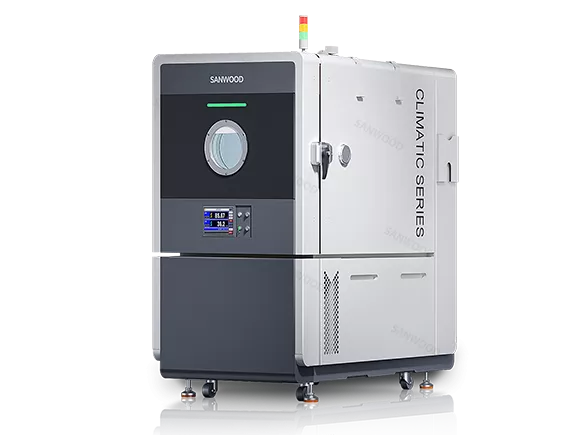
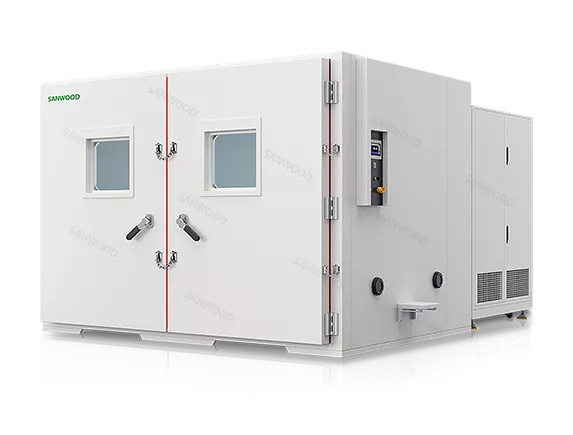
For small electronics, a standard temperature humidity chamber may be enough. For high-power, heavy or safety-sensitive samples, Sanwood can customize workspace size, air circulation, fixture layout, cable routing, refrigeration capacity and monitoring logic.
An eVTOL component may experience cold storage before startup, heat during operation, pressure change during ascent, humidity during ground exposure and vibration during transport or flight-related testing. Sanwood chambers help make these stresses repeatable and measurable.Typical test conditions include:
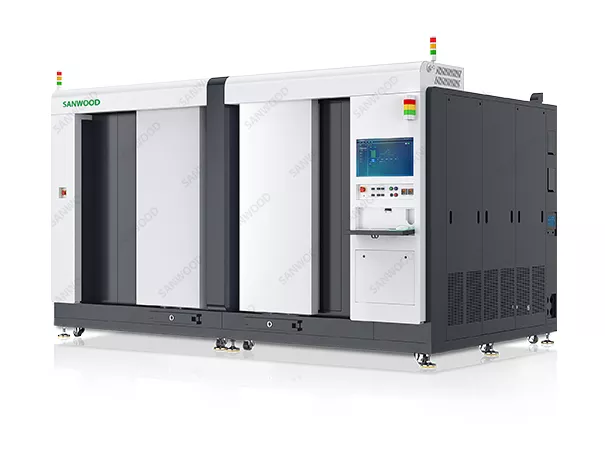
For battery packs and high-energy samples, the chamber can be equipped with reinforced structure, pressure relief, gas or smoke detection, emergency exhaust, safety interlocks, remote monitoring and data recording. Selected Sanwood battery test chamber solutions have passed SGS certification.
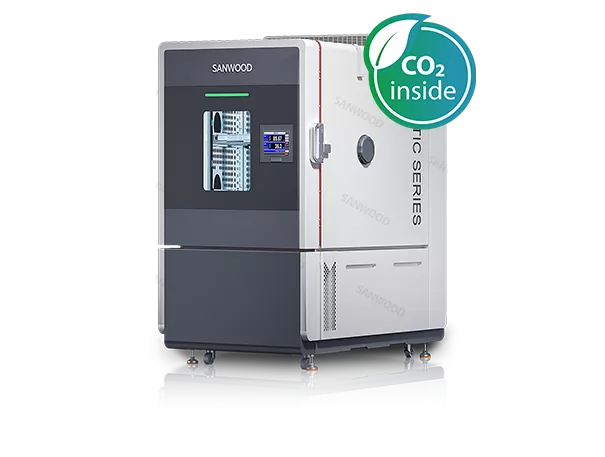
Sustainability is becoming part of laboratory equipment selection, especially for European aviation and mobility programs. For selected eVTOL test chamber models, Sanwood can provide CO2 / R744 refrigeration. With GWP=1, CO2 refrigerant helps reduce reliance on high-GWP refrigerants while supporting stable environmental testing for electric aircraft components.
This option is especially relevant for laboratories planning around European low-carbon requirements, F-gas compliance and long-term equipment sustainability.

 English
 中 文
中 文

 Testing Standards
 Products Tested
 Test Conditions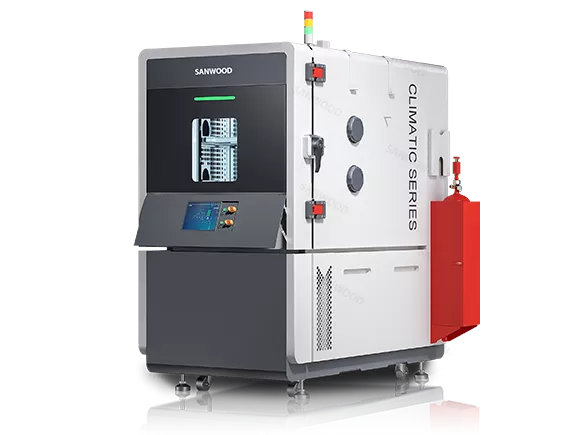


 info@sanwood.com